
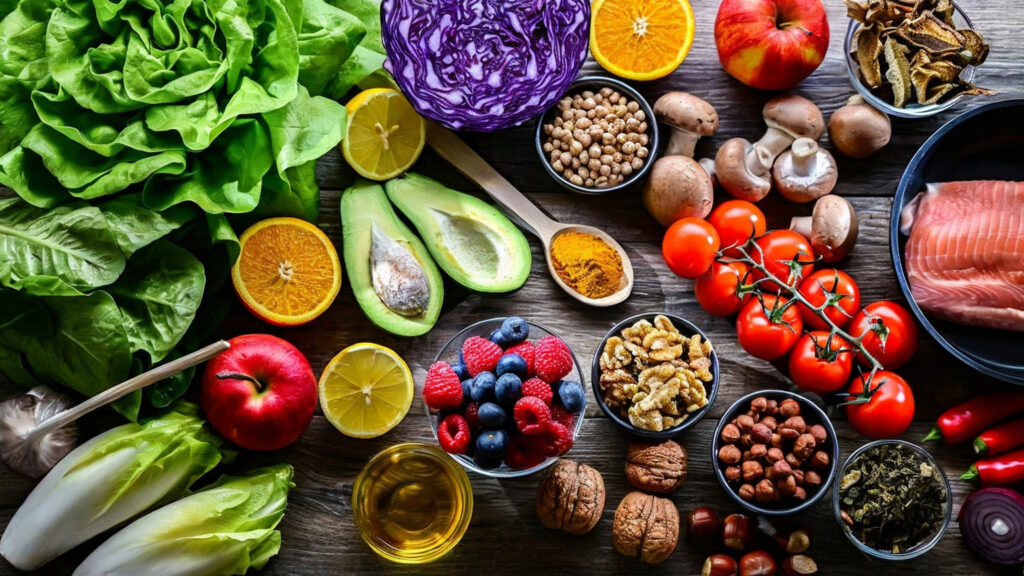
Chronic inflammation is increasingly recognized as a key underlying factor in many long-term health conditions, including metabolic, cardiovascular, hormonal, and pain-related disorders. Because of this, dietary patterns that help reduce inflammation are widely recommended as part of a holistic approach to improving overall health and quality of life.
What is an anti-inflammatory diet plan?
An anti-inflammatory diet is a long-term, evidence-informed eating pattern designed to help reduce chronic, low-grade inflammation in the body. Rather than focusing on restriction, it emphasizes nutrient-dense, whole foods that naturally support the body’s immune and metabolic balance while limiting foods that may contribute to inflammation
Over time, this type of eating pattern may help support symptom management and reduce inflammatory burden associated with various chronic conditions.
Who is this plan suitable for?
An anti-inflammatory diet may be beneficial for individuals experiencing or at risk of conditions linked to chronic inflammation, including:
• People with inflammatory and autoimmune conditions such as rheumatoid arthritis or inflammatory joint pain
• Individuals living with chronic pain conditions where inflammation may play a role in symptom severity
• Women with endometriosis, where dietary patterns may support inflammation modulation and symptom management
• Individuals with lipedema, where nutrition may help support tissue inflammation, swelling, and overall metabolic health
• People with cardiovascular risk factors such as high blood pressure or high cholesterol
• Individuals with metabolic conditions such as type 2 diabetes or insulin resistance
• Those experiencing general low-grade inflammation related to lifestyle, stress, or diet
What types of foods should be included?
The foundation of an anti-inflammatory diet is a wide variety of whole, minimally processed foods that are rich in antioxidants, fiber, and healthy fats.
1. Fruits and vegetables
Aim for a variety of colorful fruits and vegetables daily. They are rich in antioxidants and plant compounds that help combat inflammation.
Examples: Berries (blueberries, strawberries, raspberries), Oranges and citrus fruits, Leafy greens (spinach, kale, arugula), Broccoli and cauliflower, Tomatoes and Bell peppers
2. Healthy fats
Healthy fats, particularly omega-3 fatty acids, have been shown to help reduce inflammation.
Examples: Extra virgin olive oil, Avocados, Nuts (almonds, walnuts, pistachios) and Seeds (chia, flaxseed, pumpkin seeds)
3. Whole grains
Whole grains provide fiber and nutrients that support gut health and help regulate inflammation.
Examples: Oats, Brown rice, Quinoa and millet
4. Legumes
Provide plant protein, fiber, and beneficial compounds that support metabolic and gut health.
Examples: lentils, chickpeas and beans
5. Anti-inflammatory herbs and spices
Many herbs and spices Contain bioactive compounds that may help reduce inflammatory pathways.
Examples: Turmeric, Ginger, Garlic, Cinnamon and Rosemary
Foods to Limit
To maximize the benefits of an anti-inflammatory diet, it is recommended to reduce:
• Highly processed foods
• Sugary beverages
• Excess added sugars
• Refined carbohydrates (white bread, pastries)
• Processed meats
• Deep-fried foods
• Excessive alcohol consumption
• Foods high in trans fats
A quick beginner’s guide to following an anti-inflammatory diet
Transitioning to an anti-inflammatory lifestyle does not require strict rules—small consistent changes are most effective.
1. Focus on whole-food meals
Build meals around vegetables, whole grains, healthy fats, and quality protein.
2. Reduce inflammatory triggers
Gradually limit ultra-processed foods, added sugars, refined carbohydrates, and processed meats.
3. Support gut health daily
Include fiber-rich foods such as vegetables, legumes, and whole grains to support a healthy gut microbiome, which plays a role in inflammation regulation.
4. Prioritize omega-3 intake
Include fatty fish or plant-based omega-3 sources regularly throughout the week.
5. Cook simply and consistently
Meal preparation using simple, whole ingredients helps improve long-term adherence.
References:
• Arthritis Society Canada. (n.d.). Anti-inflammatory meal prep for beginners.
• Harvard Health Publishing. (n.d.). Quick-start guide to an anti-inflammation diet.
• Johns Hopkins Medicine. (n.d.). Anti-inflammatory diet.
• Cambridge University Press. (n.d.). Overview of anti-inflammatory diets and their promising effects on noncommunicable diseases. British Journal of Nutrition.
• The Endometriosis Foundation. (n.d.). Diet and lifestyle.
• Lipedema Network. (n.d.). Nutritious eating to reduce lipedema.
• Pain Specialists Australia. (n.d.). Anti-inflammatory diet for chronic pain.